Summary: Flat roof insulation is becoming a key part of residential and commercial construction. Whether it’s a home, a business, a warehouse, a retail space, or a conservatory, proper insulation can make a big difference to comfort levels, energy use, and the lifespan of the building. A well-insulated flat roof will reduce energy costs and control conservatory interior temperatures in hot summers and cold winters. One of the best ways to improve the thermal performance and save money in the long run is to add some high-quality flat roof insulation. This guide is packed with all the information you need on flat roof insulation, insulation methods, types of roof insulation, pricing, maintenance tips, insulation thickness, and modern roofing options, including roof lanterns and flat roof lanterns.
_________________________________________________
Flat Roof Insulation Costs and Benefits: A Complete Guide
Thermal Insulation | Roof Insulation | Roof Lanterns
Flat roof insulation offers numerous benefits for both commercial and residential buildings, including comfort, durability, and energy efficiency. Insulation on a flat roof helps maintain the temperature inside by limiting how much heat is absorbed in the summer and how much is lost in the winter. It also saves energy and power costs and makes the space more comfortable. When planning a new construction project or renovating an existing building, investing in high-quality roof insulation is a wise and economical choice for long-term performance.
What Is Flat Roof Insulation?
When we talk about flat roof insulation, we mean adding insulation to a flat roof system to reduce heat movement between the building’s inside and outside. Good roof insulation can improve the energy efficiency of your home and help to keep the inside temperature stable. The primary purposes of thermal insulation are to prevent heat loss in the winter and to keep heat out in the summer. Apart from enhancing ventilation, fashioning, and the overall value of the building, the roof lantern for flat roof buildings is an attractive glass feature constructed over the flat roof system to bring light into interior areas.
Types of Flat Roof Insulation
There are different types of roof insulation depending on the construction of the building, the climate, and the financial constraints. The two main types of roof insulation are cold roof insulation and warm flat roof insulation.
1. Cold Flat Roof Insulation
Cold flat roof insulation is placed under the roof deck, generally between the roof joists, forming an insulating layer. In this configuration, the insulation is below the roof deck, so it stays cold. Cold roof insulation is often used in older buildings and renovation projects because it is easier to install from the inside of the building. But it is important that ventilation be provided in this system, as stored moisture can cause condensation problems. When considering insulating a cold flat roof, property owners generally search for solutions to insulate a flat roof from the inside.
2. Warm Flat Roof Insulation
The other alternative that is considered to be more modern and energy-efficient is warm flat roof insulation. This involves keeping the whole roof warm through insulation above the roof deck. This form of flat roof insulation not only ensures energy efficiency but also reduces the likelihood of condensation. Since it can meet today’s flat roof insulation requirements easily, it is commonly used in many new buildings. Although the initial cost of installing a warm roof might be slightly higher than cold-roof insulation, the energy efficiency makes it worth the money spent.
How to Insulate a Flat Roof for Better Energy Efficiency
Many people would like to know how to insulate a flat roof properly. The choice between the warm roof and the cold roof system dictates the process involved. When using the warm roof system, rigid insulation boards are commonly installed by roofing professionals underneath the waterproofing layer and above the roof deck. Door acoustic insulation will result in better sound control and interior comfort, thereby reducing noise transfer from one room to another as well as to external environments.
Common Insulation Materials
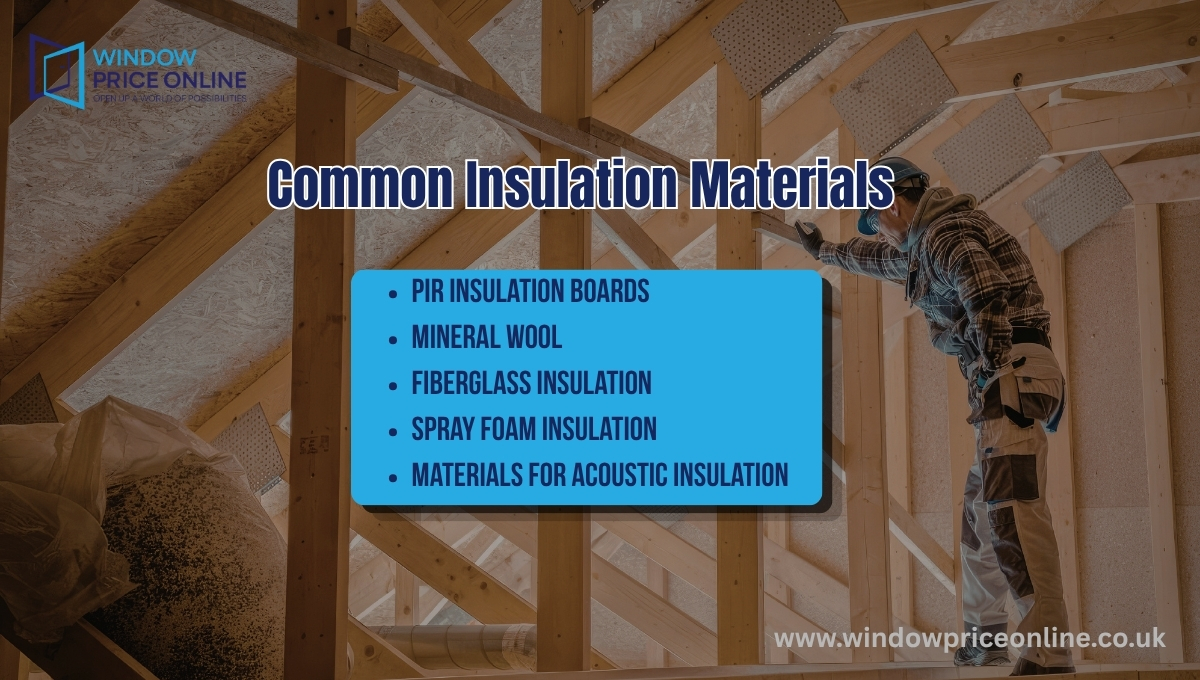
A number of insulating materials can be used for flat roofs. The choice depends on budgetary concerns, building design, and performance requirements.
1. PIR Insulation Boards
PIR boards are some of the most commonly utilized materials for flat roof insulation due to their ability to provide excellent thermal insulation properties despite having thinner boards. These boards have excellent energy efficiency, are lightweight, and are water-resistant.
2. Mineral Wool
Mineral wool is usually used for soundproof acoustic insulation. It provides good thermal insulation properties along with excellent fire resistance and noise control.
3. Fiberglass Insulation
Fiberglass is a type of insulating material that is used for commercial and domestic roof insulation purposes. It is known for its adequate thermal insulation properties and is affordable.
4. Spray Foam Insulation
Spray foam creates a tight seal when it expands to fill any gaps. This type of roof insulation improves energy efficiency and prevents air leaks.
5. Materials for Acoustic Insulation
Some examples of modern acoustic insulation materials include mineral wool, acoustic foam panels, insulated plasterboards, and fiber insulations. Such types of materials can be especially useful in residential buildings, offices, apartments, and educational institutions in cities.
Flat Roof Insulation Regulations
The main objective behind current guidelines for flat roof insulation is to reduce environmental effects and improve energy efficiency in buildings. The minimum insulation thicknesses and performance levels required are normally stated in regulations. The U-value requirements are usually included in building codes and depend on which country or region you live in. Buildings will be able to maintain energy efficiency and prevent heat loss if they meet these requirements. There can be many negative consequences associated with non-compliance, including energy inefficiency and financial loss.
Importance of Insulation Thickness
The efficacy of insulation used for flat roofs heavily relies on the thickness of the insulation itself. While too much thickness may be able to affect the height of the roof and drainage system, as well as building costs, generally, more thickness means better thermal insulation for a roof. Korniche roof lanterns represent advanced roof lantern systems that provide maximum performance by utilizing natural lighting within buildings. The lanterns can be easily identified by their aluminum framing, energy-efficient glass, and stylish designs. Another popular trend in modern houses is that of glass roof lanterns, as they not only provide a stylish and modern touch to architecture but also allow natural light into the house.
Benefits of Acoustic Insulation
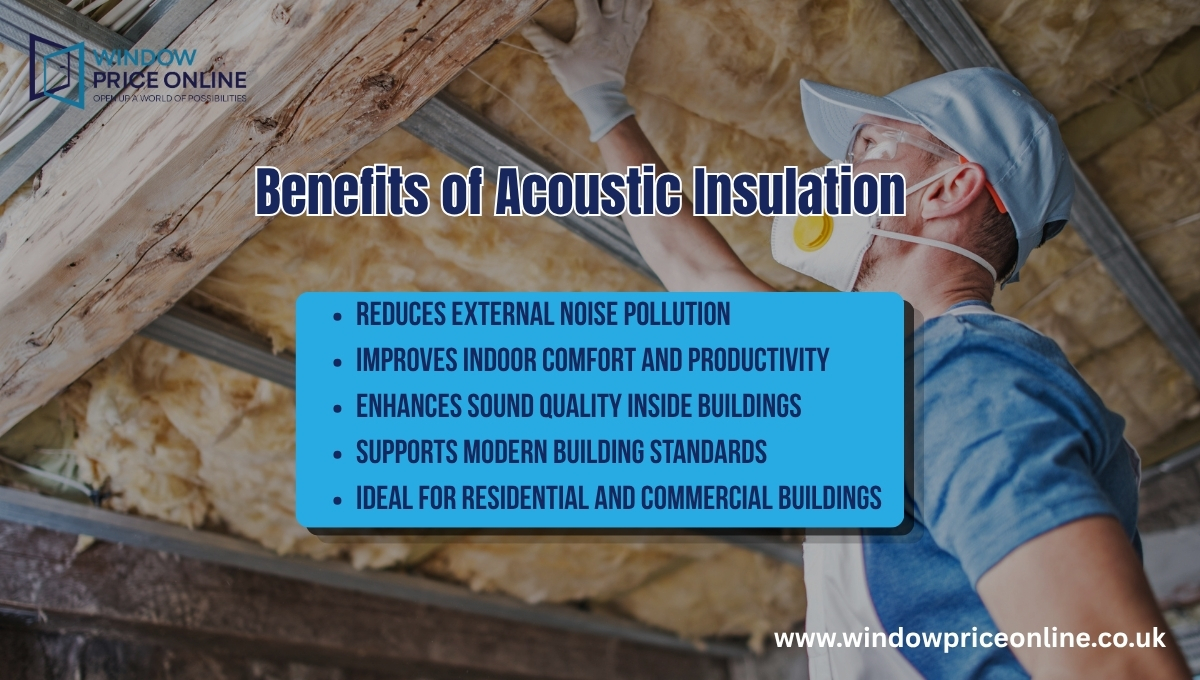
Here are some advantages of acoustic insulation for your home.
1. Reduces External Noise Pollution
Acoustic insulation is used for reducing noise pollution in the surroundings that comes from nearby buildings, equipment, airplanes, excessive rainfall, and vehicles in highly populated towns. The indoor environment becomes quiet due to it in residences and offices.
2. Improves Indoor Comfort and Productivity
The atmosphere becomes more comfortable and focused through the noise-free environment. Sophisticated acoustic insulation is often used in offices, schools, hospitals, and other commercial buildings to improve efficiency and concentration.
3. Enhances Sound Quality Inside Buildings
The advanced form of acoustic insulation materials minimizes the echoes in an area through the absorption of sounds. It is utilized for improving the acoustics in conference halls, cinemas, recording studios, motels, and residences.
4. Ideal for Residential and Commercial Buildings
Acoustic insulation has benefits for both house owners and businessmen. Insulated roofs and walls are often used in residential flats, hotels, offices, hospitals, and educational institutes for better sound regulation.
5. Supports Modern Building Standards
Acoustic insulation is now a common element used in efficient building designs that offer energy efficiency in many contemporary constructions. The installation of acoustic insulation increases satisfaction levels for occupants.
Conservatory Roof Insulation for Improved Comfort
Sudden changes in temperature are quite common in conservatories throughout the year. They might face extremes of heat during summer and extremes of cold during winter.
Insulation in conservatory roofs is beneficial for making it more comfortable and for regulating temperatures. In order to save energy, most people opt for installing insulated roofs instead of old ones. The area of the conservatory, the type of insulation material used, and the complexity of the installation process are all factors that influence the cost of insulation for a conservatory roof.
How to Insulate a Flat Roof from the Inside
A popular method of insulating a flat roof on the inside is by fixing stiff boards or mineral wool between the roof joists underneath the roof deck. To prevent moisture buildup, proper ventilation must be provided through holes. Also, to protect the insulation from indoor humidity, it is important to install a vapor barrier. Finally, to achieve an aesthetic appearance, the insulation should be covered with plasterboard.
Cost Factors of Flat Roof Insulation
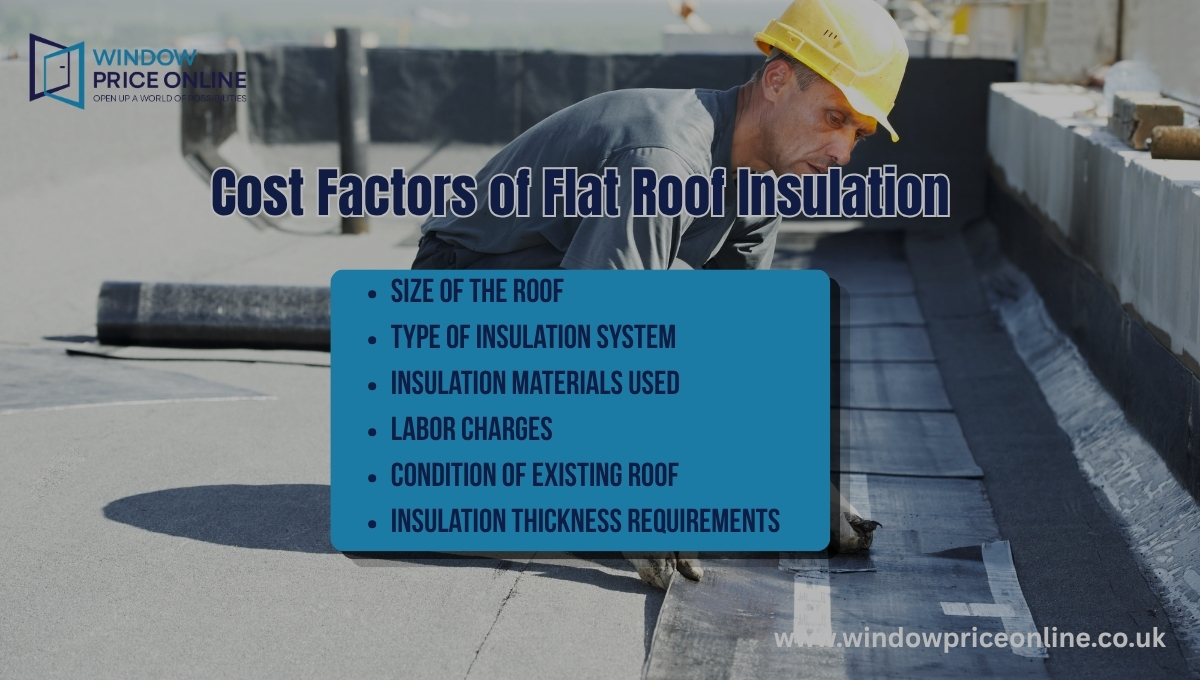
The conservatory roof insulation cost ranges from £2,000 to £4,500, while the complete replacement of the roof may cost you somewhere between £5,000 and £8,000, depending upon the size of the roof, along with other variables.
Here are the key factors affecting flat roof insulation cost:
- Size of the roof: A larger roof requires more effort and labor as well as more insulation, hence increasing the overall cost.
- Type of insulation system: The complexity involved in installing an insulation material means that warm roof insulation systems tend to be more expensive than flat roof insulation systems.
- Insulation materials used: Examples of different insulation materials include PIR boards, mineral wool, fiberglass, and spray foam.
- Labor charges: Even though they could be more expensive, competent roofers provide high-quality services and longer-lasting roofs.
- Condition of existing roof: Prior to installation, there could be repairs and replacement costs needed, thus increasing the overall costs.
- Insulation thickness requirements: Higher thermal performance requirements can affect pricing when thicker or higher-grade materials are required.
Modern Roofing Trends with Insulation
Insulation in flat roofs is an important aspect of the increasing trend towards sustainable and energy-efficient construction in today’s architecture. In order to minimize their environmental impact, many structures employ solar panels, energy-saving insulation, and even green roofing materials. In domestic construction, there has been an increasing interest in roof lanterns and flat roof lanterns. By utilizing high-performance glazing systems, such features allow natural light to penetrate the interior space while maintaining adequate insulation properties.
Maintenance Tips for Flat Roof Insulation
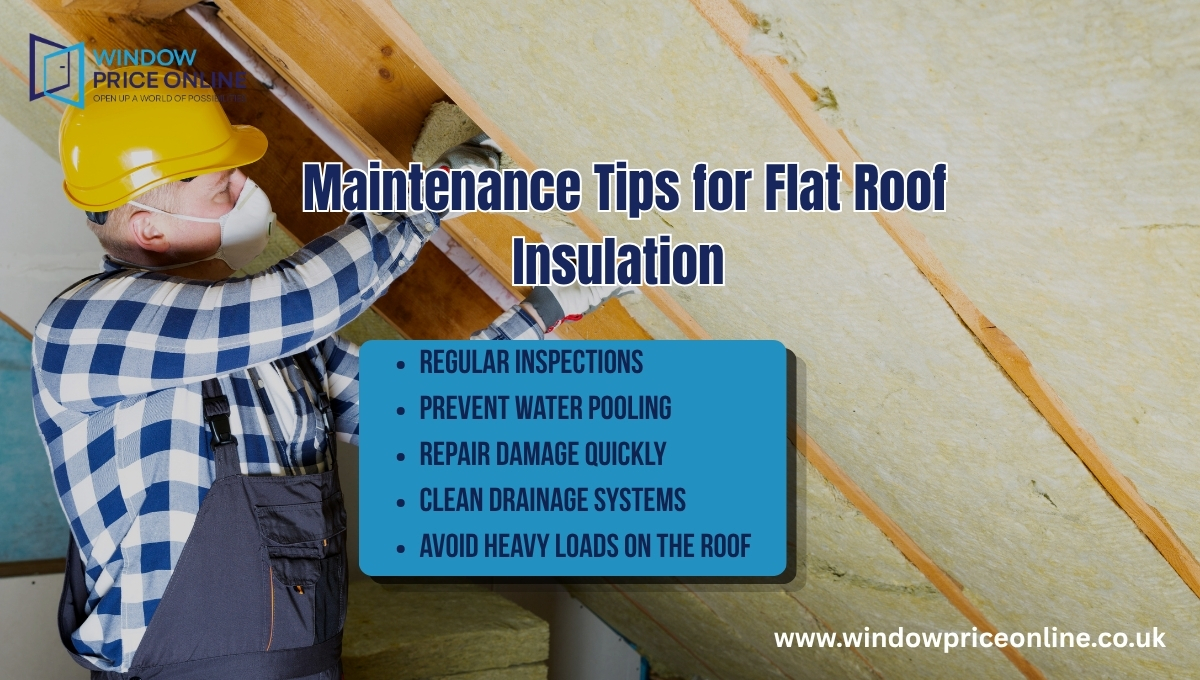
The effectiveness of the flat roof insulation in the long run will depend on the way it is maintained. Inspections should be regularly carried out so as to detect signs of water damage, accumulation, and cracking. If the roof itself is poorly maintained, then even the best insulation will be rendered ineffective due to the faults.
Here are some points to keep in mind:
- Regular inspections
- Prevent water pooling
- Repair damage quickly
- Clean drainage systems
- Avoid heavy loads on the roof
Window Price Online – Your Trusted Source for Flat Window Insulation
Window Price Online is committed to offering modern, premium windows at affordable rates to homes and commercial properties. The online portal is designed to make browsing easy and effortless, as the user can easily compare window prices, check out stylish designs, and choose products that enhance aesthetics and provide energy-saving features. Be it for large-scale construction or renovation of your house, we ensure that our services are reliable and backed by genuine information. Learn more about us as Window Price Online guarantees that every customer receives the best value by prioritizing transparency, affordability, and innovation.
Conclusion
One of the most useful investments towards providing comfort, ensuring durability, and maximizing energy efficiency in homes and business establishments is flat roof insulation. Proper installation of this kind of roof insulation is necessary in order to prevent loss of heat, reduce energy bills, and maintain a stable interior temperature regardless of the choice between warm and cold flat roof insulation. Each element contributes to achieving comfort and energy efficiency in your building, from thermal and sound insulation benefits to roof lamps for flat roofs and other modern innovations. For homeowners looking to enhance natural lighting and modern roof design, explore our premium collection of roof lanterns for flat roofs that combine style, energy efficiency, and durability. Longevity of the entire roofing system is also assured by timely modifications, proper maintenance, and top-quality insulation. Contact us now for more details.
FAQs
What is the price of insulation for flat roofs?
The area of the roof, the material used, the thickness of insulation, and labor charges all play a role in determining the cost of insulation for flat roofs. Warm roof systems often tend to have high initial costs but bring in more long-term advantages.
What are the best materials to use for insulating flat roofs?
PIR boards, fiberglass, mineral wool, and spray foam represent some of the commonly used materials for insulation. Thermal and acoustic insulation at different levels can be achieved through the use of different materials.
Can a flat roof be insulated from the inside?
Certainly, cold roof systems allow one to achieve internal insulation of the flat roof but need proper ventilation to avoid moisture build-up issues.